How to Remove Tough Stains from Clothes at Home: The Ultimate Professional Guide

Your wardrobe is an investment, a collection of memories, and a reflection of your personal brand. Yet, it only takes a millisecond, a stray drop of balsamic glaze, or a leaky ballpoint pen, to turn a designer piece into a "house shirt." Most people approach tough stains on clothes with a mix of panic and guesswork, often reaching for the wrong chemical and inadvertently sealing the garment’s fate.
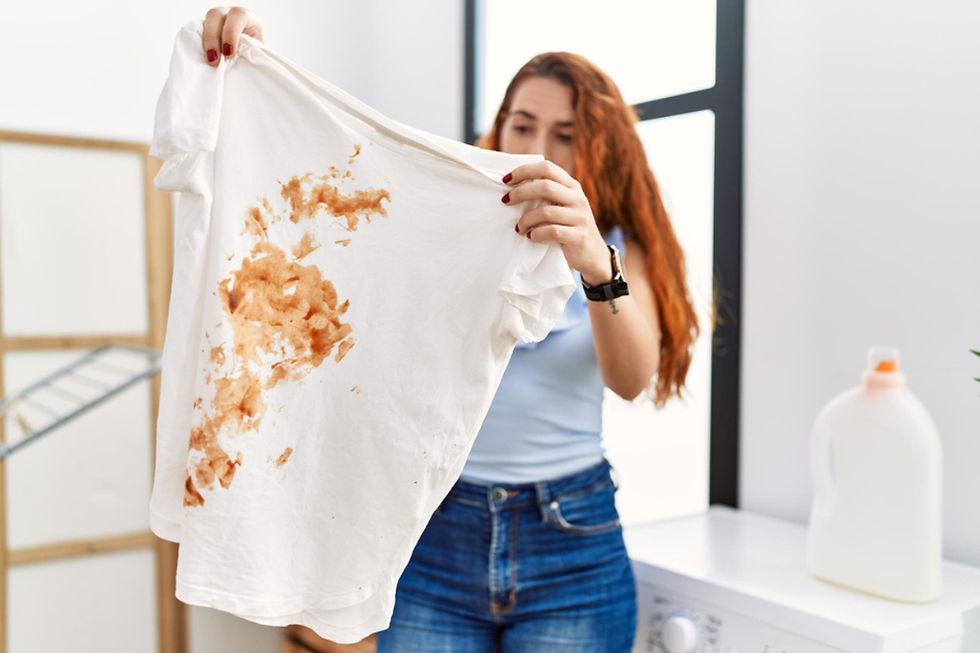
The truth is that removing stains from fabric isn't about scrubbing harder; it’s about understanding the molecular bond between the substance and the fiber. This guide isn't just a list of tips; it is a masterclass in textile recovery. We are going to explore how to get out tough stains on clothes using a combination of forensic cleaning techniques and professional organization to ensure that once a garment is saved, it stays pristine.
1. The Forensic Approach: Identifying the Enemy
To know how to get a stain out of clothes, you must first identify what you are fighting. Stains fall into four distinct chemical categories. Using the wrong treatment isn't just ineffective; it can be "lethal" for the fabric.
Enzymatic (Proteins)
These contain organic proteins that "clot" when exposed to heat. This is why you never use hot water on these. You need protease enzymes to "digest" the stain. Common examples include baby formula, bodily fluids, and dairy products. When these proteins hit hot water, they denature and weave themselves into the fabric's molecular structure, making removing stains from fabric nearly impossible after the fact.
Oxidizable (Pigments)
These are plant-based dyes or synthetic pigments that bond with the surface of the fiber. You need a "bleaching" agent, either natural or chemical, to break the color bond. These are often the toughest stains because they physically change the color of the fiber. Think of red wine, pomegranate juice, or the tannins found in heavy black teas.
Greasy (Lipids)
These are non-polar molecules that repel water. You need a surfactant (such as dish soap) or a solvent to surround the oil molecule and pull it into the water. These tough stains on clothes often appear as dark, translucent patches. Because oil is hydrophobic, simply rinsing with water will do nothing; you must use a chemical that can bridge the gap between oil and water.
Particulate (Earth)
These are tiny solid particles trapped in the weave, like mud, clay, or rust. These require mechanical agitation and sometimes specialized acids. For example, rust is an iron oxide stain that requires a reducing agent; using standard bleach on rust will actually cause a chemical reaction that makes the orange color permanent.
2. The Comprehensive A to Z Guide to the Toughest Stains
With over countless types of potential messes, here is your tactical manual for removing stains from fabric.
The Kitchen & Dining Room
BBQ Sauce & Ketchup: These contain vinegar, sugar, and tomato. Flush from the back with cold water to push particles out of the fibers. Apply liquid detergent and a drop of white vinegar.
Chocolate: Scrape the surface once dry using a dull knife. Use a tough stain remover for clothes that contains lipase (to break down the cocoa butter fats).
Mustard: Turmeric is a natural dye and is one of the toughest stains to remove. Treat with a heavy-duty pre-soak and wash in bright light, as UV rays help break down the turmeric molecules.
Wine & Berries: Do not use soap first, as the alkalinity can "set" the blue/purple pigments of a berry stain. Use an oxygen-based soak for at least four hours.
Mayonnaise & Salad Dressing: Treat these as grease stains first. The egg protein is secondary to the high oil content. Use concentrated dish soap to break the lipid bond before washing.
The Home Office & Hobby Room
Ink (Ballpoint): This is a solvent-based pigment. Place a paper towel under the stain and drip 70% isopropyl alcohol through the fabric. The alcohol re-liquefies the ink, allowing it to transfer to the towel.
Nail Polish: Use acetone on a cotton swab. Do not touch acetate or triacetate fabrics with acetone; it will literally dissolve the clothing.
Paint (Latex): While wet, use warm water and a brush. Once dry, it’s a permanent plastic film that cannot be removed without damaging the garment.
Wood Stain: For oil-based wood stains, use mineral spirits. For water-based, use acetone. Work in small circles from the outside toward the center to prevent spreading.
The Great Outdoors
Grass: This is a combination of protein and chlorophyll. Use an enzyme-based detergent and rub the fabric against itself to loosen the bond.
Mud & Clay: Let it dry until it’s crumbly. Vacuum the excess mud off the fabric before getting it wet, as adding water to dry mud creates a "liquid dye" that ruins the piece.
Adhesives & Sticker Residue: Use a citrus-based solvent to break the polymer bond, then wash immediately to remove the oily solvent residue.
Tree Sap & Tar: These are heavy resins. Use a specialized cleaning fluid or even a bit of lard or peanut butter to break down the sticky substance, then treat it as a grease stain.
3. Closet Engineering: Protecting the Recovery with Roomedys® Spacing Tape for Hangers (RST)
The process of removing stains from fabric is exhausting. The greatest tragedy in clothing care is performing a miracle on a stained garment, only to have it ruined in the closet.
Most people don't realize that tough stains on clothes can actually be self-inflicted through poor storage. When closets are overcrowded, a phenomenon called Dye Migration occurs. This is when the heavy pigments of a dark blazer or a new pair of jeans literally "jump" onto a lighter garment because they are pressed together in a humid environment.
To truly master how to get out tough stains on clothes, you must master the environment where those clothes live. Roomedys® Spacing Tape for Hangers (RST) is a precision-engineered spacing tape for your closet rod that solves the "crowding" crisis with its equidistant bumps that hold hangers in place.
The Friction Factor: When hangers are jammed together, every time you move a garment, you are essentially "sanding" the adjacent pieces. This creates pilling, fabric fatigue, and can even rub pigments from one shirt to another.
The Mildew Barrier: Stains aren't always spilled; sometimes they grow. Mildew is a biological stain caused by trapped moisture. RST creates a "breathable closet" by ensuring an even gap between every hanger, allowing for constant airflow.
The Preservation Gap: By using RST, you ensure that your freshly laundered clothes never touch. This eliminates the risk of "closet-born" stains caused by dyes bleeding in high-humidity environments.
4. Advanced Pro-Secrets for Set-In Stains
If you find stains to remove that have already been through the dryer, don't give up. The dryer "bakes" the stain, but it doesn't always fuse it completely.
The Glycerin Soak: For old, crusty stains, apply vegetable glycerin. It re-hydrates the stain, making it water-soluble again. Let it sit for two hours before re-treating.
The Boiling Water Blast: For white cottons with fruit or wine stains, stretch the fabric over a sink and pour boiling water from a height of two feet. The physical force of the hot water can push out pigments.
The Sunlight Bleach: After treating a white garment for toughest stains, hang it in direct sunlight while wet. The UV rays act as a natural, non-corrosive bleaching agent.
6. The Emergency Kit for Home Stain Removal
To handle stains to remove at a moment's notice, keep these items in your laundry room:
Isopropyl Alcohol: For ink, sap, and grass.
Hydrogen Peroxide: For organic proteins like blood (use on whites only).
Clear Dish Soap: For grease, oils, and makeup.
Enzyme-Detergent: For food, chocolate, and grass.
Conclusion
Mastering how to get out tough stains on clothes is an empowering skill. It transforms you from a consumer who replaces clothes into a curator who preserves them. By applying the chemical logic of stain removal and the organizational logic of Roomedys® Spacing Tape for Hangers (RST), you can extend the life of your wardrobe by years. Give your clothes the space they need to stay perfect and never let a spill define your style again.
Frequently Asked Questions
How do you get out tough stains on clothes that are delicate?
For silk or wool, avoid harsh chemicals and heavy agitation. Use a pH-neutral detergent and a silk-specific tough stain remover for clothes. Always "test-patch" on an inside seam first to check for colorfastness.
Why is white vinegar considered a "miracle" for stains?
Vinegar is a mild acetic acid. It is excellent for removing stains from fabric that are alkaline in nature, such as mineral deposits from hard water, perspiration salts, and certain grass pigments. It also acts as a natural deodorizer.
What is the most common mistake in stain removal?
The most common mistake is using hot water on an unknown stain. If the stain is protein-based (like blood or milk), the hot water will permanently "cook" it into the fabric. When in doubt, start with cold water.
Can Roomedys® Spacing Tape for Hangers (RST) prevent wrinkles?
Yes. Wrinkles are often caused by the "crowding" of clothes. When garments are forced together, the weight of the surrounding clothes presses folds into the fabric. RST maintains the "hang" of the garment, significantly reducing the need for ironing.
How to get stain out of clothes if it reappears after washing?
This is called "wicking." The stain wasn't fully removed from the deep fibers, and as the fabric dries, the residue moves to the surface. Treat the stain again using a deeper soaking method and avoid the dryer until it is gone.
Author: Stephen Patrick

Stephen is the Founder and CEO of the Roomedys® brand. Stephen’s inaugural, multi-patented invention, Roomedys® Spacing Tape for Hangers (RST), is poised to transform the world of closet organization. Having spent 25 years in the hospitality industry, Stephen is an expert in functional organization. His mantra, “Everything has a place; everything stays in place,” is the key to achieving a realistic & maintainable routine that provides a feeling of balance and well-being.


Comments